-

Milan MayPop
JPY 2,894(USD 18.40)
フィンカ・ミランは、コロンビアのコーヒー産地であるリサラルダの中でも特に名を馳せている農園です。農園の3代目であるフリオ セサル マドリッドは、質の高いコーヒーの生産へ多くの時間と労力を捧げてきました。 フリオの娘であるマリア アントニア マドリッドは生物学者であり、微生物の培養をコーヒー豆の発酵に活かす研究で、父のコーヒー生産に貢献しています。 コーヒー豆は、コーヒーチェリーの果肉を除去したあと、パッションフラワーやパッションフルーツの果実、培養された微生物と一緒に発酵段階へ移ります。これが、マリアが父と共に研究を重ねてきた、カルチュアリング製法です。 伝統的なコーヒー生産プロセスと科学的な研究が、彼らの唯一無二とも言えるコーヒーの生産に繋がっていると言えるでしょう。 農園は、ロス ネヴァドス国立公園の近くにあり、ネヴァロ デル ルイズ火山によって形取られた特異な場所に位置しています。標高1600mのフィンカ ミランは、1年を通して18-28度ほどであり、カトゥーラに留まらないさまざまな品種のコーヒー豆の生産によく適しています。 農園のあるリサラルダ地方は火成岩と火山灰でできた土壌で、カウカ川に向かってゆっくりと下っていきます。この景色は、ユネスコの世界コーヒー文化遺産にも登録されています。 この地域にある色とりどりの町、20.000件以上の農園が力を注いで生産されたコーヒー豆が、今日私たちのもとへと届いています。 原産地_コロンビア 地域_リサラルダ 生産者_フリオ セサル マドリッド、フィンカミラン 品種_カトゥーラ、カスティージョ 標高_1600 精製方法_パッションフラワーカルチャリングウォッシュド テイスティングノート_パッションフルーツ、薔薇、ライチ、パイナップル 内容量_100g Finca Milan is a coffee farm known for its innovation and commitment to specialty coffee. Julio Cesar Madrid Tisnés is a third-generation coffee producer and has dedicated himself to the production of quality coffees. Julio’s daughter, Maria Antonia Madrid, is a biologist who has researched the organoleptic impact of using microbial starter cultures in coffee fermentation, helping Julio to improve his processing methods. The process begins with the careful selection of ripe Caturra cherries. After being pulped, the coffee beans are combined with the maypop fruit, passion fruits, and a microbial starter culture in a controlled, oxygen-restricted environment. Cultured Washed processing was developed by Café UBA after several years of trial and error. But the Madrid family’s fusion of traditional coffee farming and scientific research allows them to craft unique and complex flavor profiles through a variety of processes. The farm is near the Los Nevados Natural National Park, a 58,300 hectare reserve that surrounds the northern volcanic complex formed by Nevado del Ruiz volcano. Milan rests 1600 meters above sea level, receiving temperatures year-round of 18–28°C which contributes to the quality climate conditions found on the property, benefiting the many varieties grown on the farm. The soils of Risaralda have their origin in igneous rocks and volcanic ash with slopes descending towards the Cauca river, recognized by UNESCO as a World Coffee Cultural Heritage site. It forming a landscape of colorful towns where more than 20.000 smallholder farms and mid-sized estates dedicate themselves to the department’s main agricultural activity; coffee. Origin_Colombia Region_Risaralda Farmer_Julio Cesar Madrid, Finca Milán Variety_Caturra and Castillo Altitude_1600 Proc.Method_May pop Cultured Washed Tasting notes_Passion fruit,Rose,Lychee,Pine apple Net weight_100g
-

Milan NiU
JPY 2,894(USD 18.40)
フィンカ・ミランは、コロンビアのコーヒー産地であるリサラルダの中でも特に名を馳せている農園です。農園の3代目であるフリオ セサル マドリッドは、質の高いコーヒーの生産へ多くの時間と労力を捧げてきました。 フリオの娘であるマリア アントニア マドリッドは生物学者であり、微生物の培養をコーヒー豆の発酵に活かす研究で、父のコーヒー生産に貢献しています。 ヨーグルトやその他の食品の発酵で一般的に用いられる培養プロセスを応用して作られたこのコーヒーは、「ニウ」(ハワイ語で「ココナッツ」の意味)と名付けられました。 このロットでは、カルチャリングと呼ばれる、酵母で発酵させた果実を豆の発酵段階に入れる形で精製されています。 ココナッツ、パイナップル、バニラ、ミルクチョコレートを思わせる豊かな甘みが特徴の、独特ながらバランスの取れた味わいとなっています。 農園は、ロス ネヴァドス国立公園の近くにあり、ネヴァロ デル ルイズ火山によって形取られた特異な場所に位置しています。標高1600mのフィンカ ミランは、1年を通して18-28度ほどであり、カトゥーラに留まらないさまざまな品種のコーヒー豆の生産によく適しています。 農園のあるリサラルダ地方は火成岩と火山灰でできた土壌で、カウカ川に向かってゆっくりと下っていきます。この景色は、ユネスコの世界コーヒー文化遺産にも登録されています。 この地域にある色とりどりの町、20.000件以上の農園が力を注いで生産されたコーヒー豆が、今日私たちのもとへと届いています。 産地_リサラルダ 生産者_フリオ・セサル・マドリード [フィンカ・ミラン] 品種_カトゥーラ、カスティージョ 標高_1600m 加工法_ニウ・カルチャード・ウォッシュド 焙煎_フィルター 甘味_5 酸味_3 風味_5 ボディ_4 テイスティングノート_パイナップルミルクシェイク、ココナッツ、ミント、アプリコット、バターのような風味 内容量_100g Finca Milan is a coffee farm known for its innovation and commitment to spEcialty coffee. Julio Cesar Madrid Tinés is a third-generation coffee producer and has dedicated himself to the production of quality coffees. Julio' s daughter, Maria Antonia Madrid, is a biologist who has researched the organoleptic impact of using microbial starter cultures in coffee fermentation, helping Julio To improve his processing methods. An innovative coffee created using a culturing process typically employed in the fermentation of yogurt and other foods. For tHis batch, named "Niu" (Hawaiian for "coconut" ), we used pineapple fermented with yeast as a starter culture for the coffee fermentation. It features a rich sweetness reminiscent of coconut, pineapple, vanilla, and milk chocolate. The result Is a coffee with a distinctive yet harmonious flavor profile. The farm is near the Los Nevados Natural National Park, a 58,300 hectare reserve that surrounds the northern volcanic complex formed by Nevado del Ruiz volcano. Milan rests 1600 meters above sea level, receiving temperatures year-round of 18-28° C which contributes to the quality climate conditions found on the property, benefiting the many varieties grown on the farm. The soils of Risaralda have their origin in igneous rocks and volcanic ash with slopes descending towards the Cauca river, recognized by UNESCO as a World Coffee CUltural Heritage site. It forming a landscape of colorful towns where more than 20.000 smallholder farms and mid-sized estates dedicate themselves to the department' S main agricultural activity; coffee. Origin_Colombia Region_Risaralda Farmer_ Julio Cesar Madrid [Finca Milán] Variety_Caturra and Castillo Altitude_1600 Proc.Method_Niu Cultured Washed Roasting_ Filter Sweetness_5 Acidity_3 Flavor_5 Body_4 Tasting notes_Pineapple Milkshake, Coconut, Mint, Apricot, Buttery Net weight_100g
-

Harusuke
JPY 1,555(USD 9.89)
原産地_エチオピア 地域_Gedeo, Yirgacheffe 農園_Various Small producers 品種_Heirloom 標高_2000-2200m 精製_ナチュラル テイスティングノート_Tropical fruit, Deep Nut, Floral tones 内容量_100g Origin_ Ethiopia Region_Gedeo, Yirgacheffe Farm_Various Small producers Variety_Heirloom Altitude_ 2000-2200 masl Proc._ Natural Roasting_Espresso Sweetness_4 Acidity_4 Flavor_4 Body_4 Tasting notes: Tropical fruit, Deep Nut, Floral tones Net weight_100g
-

Chelbesa
JPY 1,555(USD 9.89)
原産地_エチオピア 地域_Chelbesa, Worka, Gedeb 農園_Chelbesa WS 品種_Welisho, Dega 標高_1950-2100m 精製_ウォッシュド テイスティングノート_Floral, Peach, Caramel, Grape Fruit, Herb 内容量_100g Origin_ Ethiopia Region_Chelbesa, Worka, Gedeb Farm_Chelbesa WS Variety_Welisho, Dega Altitude_ 1950-2100 masl Proc._ Washed Roasting_Espresso Sweetness_4 Acidity_4 Flavor_4 Body_4 Tasting notes: Floral, Peach, Caramel, Grape Fruit, Herb Net weight_100g
-

Albino Ibias
JPY 3,510(USD 22.32)
原産地_ペルー 地域_Inkawasi, Cusco 農園_TRES CEDROS [Albino Ibias] 品種_SL9 標高_2260m 精製_ウォッシュド テイスティングノート_Jasmine, White Peach, Lychee, prickly ash 内容量_100g Origin_ Peru Region_Inkawasi, Cusco Farm_TRES CEDROS [Albino Ibias] Variety_SL9 Altitude_ 2260 masl Proc._ Washed Roasting_Filter Sweetness_5 Acidity_3 Flavor_5 Body_4 Tasting notes: Jasmine, White Peach, Lychee, prickly ash Net weight_100g
-

Terrazas Del Pisque JAVA
JPY 2,959(USD 18.82)
原産地_エクアドル 地域_Pedro Moncayo, Pichincha 農園_Terrazas Del Pisque [Arnaud Causse] 品種_Java 標高_2100m 精製_ウォッシュド テイスティングノート_Strawberry, Blackberry, Lemon, Caramel, Pomelo 内容量_100g Origin_ Ecuador Region_Pedro Moncayo, Pichincha Farm_Terrazas Del Pisque [Arnaud Causse] Variety_Java Altitude_ 2100 masl Proc._ Washed Roasting_Filter Sweetness_4 Acidity_3 Flavor_4 Body_4 Tasting notes: Strawberry, Blackberry, Lemon, Caramel, Pomelo Net weight_100g
-

Hakuna Matata Geisha
JPY 3,683(USD 23.42)
原産地_エクアドル 地域_La Perla, Nanegal, Pichincha 農園_Maputo, Hakuna Matata ( Henry and Verena Gaibor) 品種_Geisha 標高_1350m 精製_ウォッシュド テイスティングノート_Jasmine, Peach, Bergamot, Green grape, Red Currants 内容量_100g Origin_ Ecuador Region_La Perla, Nanegal, Pichincha Farm_Maputo, Hakuna Matata ( Henry and Verena Gaibor) Variety_Geisha Altitude_ 1350 masl Proc._ Washed Roasting_Filter Sweetness_5 Acidity_4 Flavor_4 Body_4 Tasting notes: Jasmine, Peach, Bergamot, Green grape, Red Currants Net weight_100g
-

San Isidro Labrador, Red Honey 32g
JPY 2,723(USD 17.32)
2010年、今もなお進み続ける気候変動は、ジョエル氏の農園にも暗い影を落とし始めていました。そんな中、コミュニティ内の農園がコーヒー豆の栽培を機に活力を取り戻していくのをみて、ジョエル氏はふたつの新たなる品種、[Catuai, Costa Rica95]を育てることを決めました。 ジョエル氏が育て始めたこのふたつの品種は、変わり始めた気候の中でもよく育ち、次第に彼やその家族は、コーヒーの栽培が農園再生への道であると考えるようになりました。 コーヒーが得意ではないジョエル氏でしたが、同時期にパナマのゲイシャ種に魅了されます。よく育つと聞くパナマゲイシャの種を求め、パナマまで足を運ぶほどでした。 2012年、ジョエル氏とその息子マティアスは、Copey, Quebradillas de Dotaと呼ばれる地ににゲイシャ種とティピカ種の木を植え始めました。しかし、コーヒーの実の販売は生産性や品質、価格などの風通しがあまり良くないことに気づきます。そこで誕生したのが自身でコーヒーの栽培からの実の加工まで全てのプロセスを一貫して行う農園、Acienda San Isidro Labradorでした。 Quebradillasは標高1900メートル、ドタ渓谷の頂点に位置する3ヘクタールほどの土壌です。良質なコーヒーを生産するのに最適な気候であり、その地で育ったコーヒー豆は、カップ・オブ・エクセレンスを何度も受賞しています。 原産地_コスタリカ 産地_ロス・サントス、タラズ 農園_ジョエル・モンへ・ナランホ(アシエンダ・サンイシドロ・ラブラドール) 品種_ゲイシャ 標高_1800-2100m 品種_レッドハニー テイスティングノート : 林檎、ハーブ、ランブータン、バニラ、ジャスミン 内容量_32g The changing climate began to affect Joel's farm, and after seeing the success his neighbors were having with coffee, he decided to try planting Catuai and Costa Rica 95 varieties in 2010. To their surprise, the seedlings began to grow well in this climate, and the family began to think that a little return to coffee would be a good thing. At the same time, they had heard that new varieties were coming on the scene, especially the Panamanian Geisha, which was growing unusually well. Joel felt he had to get this coffee and try it. He used to hate drinking coffee, but found that Geisha reacted differently. He used to get stomach aches when he drank coffee, but the Geisha did not affect his body in the same way and tasted much better. Joel became obsessed with coffee, especially Geisha, and traveled to Panama to collect seeds for his own Dota plantation. Joel and his son Matias, who was studying mechanical engineering at the time, began planting thousands of Geisha and Tipica trees on their plantations in Copey and Quebradillas de Dota in 2012. As they planted, nurtured, and cared for the plantations, they realized that it really didn't make sense to sell the fruit. Because they had to process the fruit themselves. The production of these varieties is very low, the price of the fruit is low, and quality and traceability can be lost when selling the fruit. In the meantime, Matthias saw many families in the community growing and processing fruit in their own wet mills. He then founded Acienda San Isidro Labrador during the first harvest of newly planted coffee in 2014/2015. Quebradillas is a 3-hectare lot located at 1900 meters, the highest point in the Dota Valley, where the climate has perfect conditions to produce the best coffee. The estate is a multiple-time winner of the Cup of Excellence. Origin_Costa Rica Region_Los Santos, Tarrazu Farm_Johel Monge Naranjo (Hacienda San Isidro Labrador) Variety_Geish Altitude_1800-2100 masl Proc._Red Honey Roasting_Filter High Sweetness_5 Acidity_3 Flavor_5 Body_4 Tasting notes_Apple, Herbal, Rambutan, Vanilla, Jasmine
-
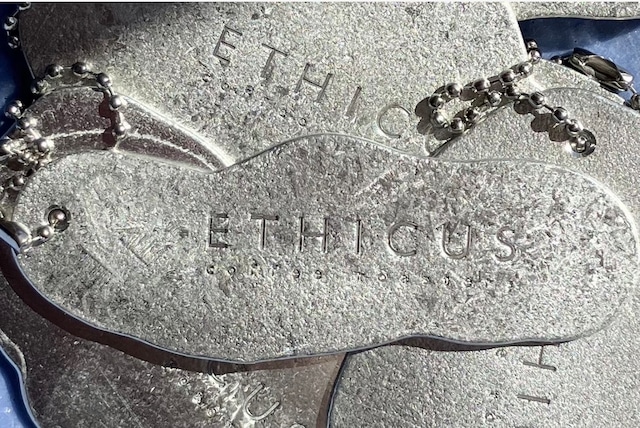
ETHICUS / MAKINAGI Keyholder
JPY 2,200(USD 13.99)
四作目となるETHICUSのキーホルダー 今回は、ひとつひとつ個性が光る形となっています。 ゆっくりと曲げることで唯一無二のご自身のキーホルダーへとエイジングされます。 (一度曲げると元の形には戻りづらいこと、ご承知おきください。) 会員証として提示するとドリンクが200円オフに。実店舗でもイベントでもご利用いただけます。 MAKINAGI @makinagi8 京都芸術大学卒業。京都にて錫職人として7年間の修行を経た後、故郷静岡にてMAKINAGIを開業。錫の魅力を広めるため掛川に工房を構え、日本で数少ない伝統技法ロクロによって錫製品を削り出す。酒器や花器をはじめ、アクセサリーや仏具などを製作するほか、錫を用いたアートワークの制作を手掛ける。
-

キョウエンカイ2026 vol.7 -COFFEE COUNTY
JPY 5,800(USD 36.88)
ETHICUS euphrainoo にてアートスペース油亀と共に開催しているキョウエンカイより 〈全国からお招きしたロースター厳選のコーヒー豆・アートスペース油亀の豆皿・むらいふみのアートワーク〉 をセットにしました。 「signs of nature」をテーマに、皆様へここだけのボックスをお届けします。 第七週目はCOFFEE COUNTY(福岡県/東京都)です。 ETHICUSのシグニチャーとして、ECUADORのコーヒー豆が100g追加されます。 どうぞ合わせてお楽しみください。 ----- COFFEE COUNTY 2024年に続き、2025年10月下旬にクスコ県インカワシ地区の生産地を訪ねました。生産地に辿り着くまでの過酷な道のり、かかる時間は決して容易なものではないですが、息を飲むほどの圧倒的な景観やコーヒー生産におけるその独自性、何よりその高い品質は他に代え難いものです。 コーヒー農園は、クスコ地方、ラ コンベンシオン県、インカワシ地区の雪を頂いたチョケサフラ山の麓の谷に位置し、環境と調和しながら、アイニやミンカといった先祖のインカ人の習慣(今日は私の農園で働き、明日はあなたの農園で働く、などの互助)を維持しながら運営されています。特徴的なのは農園の多くが2,000m以上の高い標高に位置し、2,400m を超えるコーヒー農園もあることです。 SL-09 についてのリサーチを進めたところ、SL-09 と Gesha Inka(インカゲイシャ) は同一のものを指しますが、SL-09≠Geisha です。CACVIとしては今後 SL-09 としての表記を進めていきたいとのことです。インカワシ地区は数あるコーヒー産地の中でも有数のポテンシャルを持つ場所と考えますが、この品種SL-09によって、唯一無二のものとなります。 温かいうちのジャスミンのようなフローラルなアロマから冷めるに従い、プラムなどの核果実、ブラッドオレンジのような華やかな柑橘の風味が表れます。これらを乳酸飲料やきび砂糖のようなミネラル感のある甘さが支える素晴らしいコーヒーです。 農園名 : Basul(バスル) 生産者 : Profeta Andarapiño(プロフェタ・アンダラピーニョ) 生産国 : Perú(ペルー) 地域 : Cedrobamba, Inkawasi, Cusco(クスコ県、インカワシ、セドロバンバ) 標高 : 2,260m 品種 : SL-09(エスエルナイン) 生産処理方法 : Washed(水洗式) ローストレベル:Light roast(浅煎り) フレーバープロファイル:Jasmine, Plum, Blood Orange, Blackberry, Sweet Lemon, Yogurt, Structured, Tartaric, Lactic, Brown Sugar, Effervescent COFFEE COUNTY https://coffeecounty.cc/ ----- アートスペース油亀 田川亞希 田川亞希(たがわ・あき) 1978年、静岡県浜松市生まれ。2002年、武蔵野美術大学油学科卒業。2004年、イギリス・ロンドン「Mazehill Pottery」リサ・ハモンド氏に師事。2008年、CCAA 四谷にて親子の陶芸教室で活動。2011年、2013年、国際陶芸フェスティバルささま出展。2014年、陶イズム笠間出展。2014年、すみだ川アートプロジェクト出展。現在、東京都目黒区在住。 講談社モーニングの「へうげもの」の企画である「へうげ十作」として活動 ※豆皿はランダムでのお届けとなりますこと、ご了承ください。 アートスペース油亀 https://www.aburakame.com/?srsltid=AfmBOooDvZrctiG0BSb5T-JPa5OD1Ti6wYXLOlVpBeyJy5u_ptycvQYY 田川亞希 https://www.instagram.com/akkihome ----- むらいふみ 今まで記録してきた写真を複写し、一つの作品にしました ちょうどこの作品づくりと同じ時期に毎朝狩猟のために山へ入っていました 山に入ると、あらゆる生きものの気配を感じます 木々の隙間や地面の変化を目で確かめ 風にのって漂うにおいを感じ 動物の声、虫の動きや羽音、風で葉がゆれる音に耳を澄ませ 手をつないだ娘の手の感触や体温が 子鹿をさばいたときの、まだ生温かいからだと重なる 自然の中に身を置くと、自分もまた自然の一部なのだとわかります 人間は決してその頂点でも、支配する立場でもありません あらゆる生きものと対等な存在なのだと、この作品をつくりながら、あらためてわかったのです ※アートワークは毎週変わります。 むらいふみ https://www.instagram.com/fumi_murai/ ----- キョウエンカイ -signs of nature- 日程:2026年8月1日(土)~2026年9月13日(日) 時間:10:00~17:00(※休憩時間13:00~14:00) 場所:ETHICUS euphrainoo 静岡県静岡市葵区鷹匠2-20-10 詳しい情報はETHICUS instagram(@ethicus.jp)をご覧ください。 https://www.instagram.com/ethicus.jp
-

キョウエンカイ2026 vol.6 - KARIOMONS COFFEE
JPY 5,800(USD 36.88)
ETHICUS euphrainoo にてアートスペース油亀と共に開催しているキョウエンカイより 〈全国からお招きしたロースター厳選のコーヒー豆・アートスペース油亀の豆皿・むらいふみのアートワーク〉 をセットにしました。 「signs of nature」をテーマに、皆様へここだけのボックスをお届けします。 第六週目はKARIOMONS COFFEE(長崎県)です。 ETHICUSのシグニチャーとして、「ECUADOR Hakuna Matata Fermentation Lactico」のコーヒー豆が100g追加されます。 どうぞ合わせてお楽しみください。 ----- KARIOMONS COFFEE Lo Prometido 2012年の初訪問で一目惚れし、以来ずっと追いかけ続けている農園です。すり鉢状に閉ざされた場所で斜面が重なりあい、あいだを複数の川が流れるその景色は、まるで空に浮かんであるようにも見えます。 年間を通じて多くのコーヒー豆を扱いますが、その中にあって最もカリオモンズ、そして伊藤寛之を表したコーヒーといえます。 Producer_ Luis Alberto Balladarez Farm_ Lo Prometido Region_ Mozonte, Nueva Segovia, Nicaragua Variety_ Red Catuai Fermentation_ None Process_ Natural Harvest_ 2025 KARIOMONS COFFEE https://kariomons.com/ ----- アートスペース油亀 田川亞希 田川亞希(たがわ・あき) 1978年、静岡県浜松市生まれ。2002年、武蔵野美術大学油学科卒業。2004年、イギリス・ロンドン「Mazehill Pottery」リサ・ハモンド氏に師事。2008年、CCAA 四谷にて親子の陶芸教室で活動。2011年、2013年、国際陶芸フェスティバルささま出展。2014年、陶イズム笠間出展。2014年、すみだ川アートプロジェクト出展。現在、東京都目黒区在住。 講談社モーニングの「へうげもの」の企画である「へうげ十作」として活動 ※豆皿はランダムでのお届けとなりますこと、ご了承ください。 アートスペース油亀 https://www.aburakame.com/?srsltid=AfmBOooDvZrctiG0BSb5T-JPa5OD1Ti6wYXLOlVpBeyJy5u_ptycvQYY 田川亞希 https://www.instagram.com/akkihome ----- むらいふみ 今まで記録してきた写真を複写し、一つの作品にしました ちょうどこの作品づくりと同じ時期に毎朝狩猟のために山へ入っていました 山に入ると、あらゆる生きものの気配を感じます 木々の隙間や地面の変化を目で確かめ 風にのって漂うにおいを感じ 動物の声、虫の動きや羽音、風で葉がゆれる音に耳を澄ませ 手をつないだ娘の手の感触や体温が 子鹿をさばいたときの、まだ生温かいからだと重なる 自然の中に身を置くと、自分もまた自然の一部なのだとわかります 人間は決してその頂点でも、支配する立場でもありません あらゆる生きものと対等な存在なのだと、この作品をつくりながら、あらためてわかったのです ※アートワークは毎週変わります。 むらいふみ https://www.instagram.com/fumi_murai/ ----- キョウエンカイ -signs of nature- 日程:2026年8月1日(土)~2026年9月13日(日) 時間:10:00~17:00(※休憩時間13:00~14:00) 場所:ETHICUS euphrainoo 静岡県静岡市葵区鷹匠2-20-10 詳しい情報はETHICUS instagram(@ethicus.jp)をご覧ください。 https://www.instagram.com/ethicus.jp
-
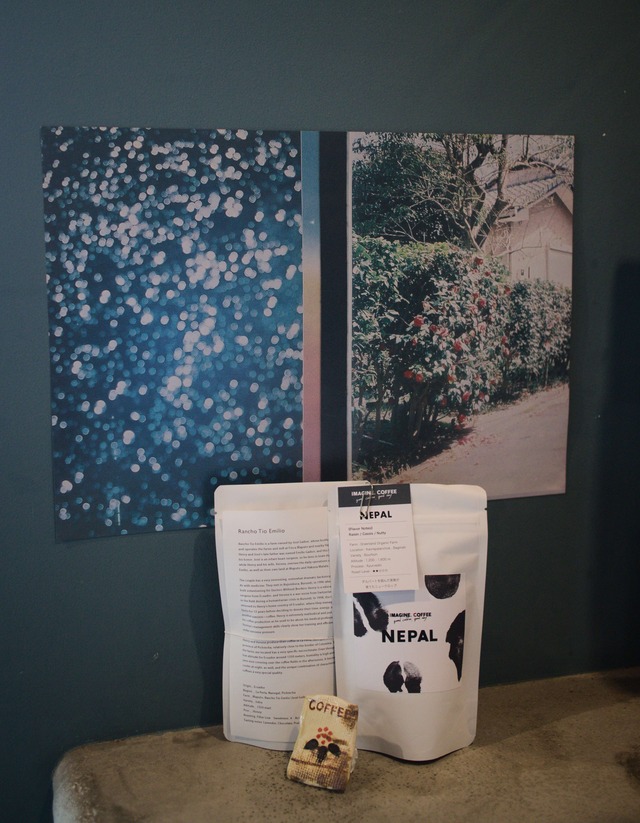
キョウエンカイ2026 vol.5 - IMAGINE.COFFEE
JPY 5,800(USD 36.88)
ETHICUS euphrainoo にてアートスペース油亀と共に開催しているキョウエンカイより 〈全国からお招きしたロースター厳選のコーヒー豆・アートスペース油亀の豆皿・むらいふみのアートワーク〉 をセットにしました。 「signs of nature」をテーマに、皆様へここだけのボックスをお届けします。 第五週目はIMAGINE.COFFEE(島根県)です。 ETHICUSのシグニチャーとして「ECUADOR Rancho Tio Emilio」が100g追加されます。 どうぞ合わせてお楽しみください。 ----- IMAGINE.COFFEE ネパールのコーヒーは飲んだことがありますか?中南米やアフリカの産地のようにまだ知名度は高くなく、コーヒーの歴史もまだ浅く、コーヒー生産としての技術もまだまだこれから入りこれから注目されていくエリアです。長期的に付き合っていくつもりで、このタイミングで輸入に携わってるのはとても意義があると思っております。ネパールのコーヒーはアラビカ種100%。ブルボンがメイン、プロセスはウォッシュ、ナチュラルなど伝統的なものが多い。ネパールは土地や文化としての魅力も多く、これから少しでもたくさんの方に味わって、知ってもらえると良いですね。 FARM :Greenland organic farm Location:kavrepalanchok.Bagmati Variety:Boubon Atitude:1200-1600 Process: natural IMAGINE.COFFEE https://imaginecoffe.thebase.in/ ----- アートスペース油亀 田川亞希 田川亞希(たがわ・あき) 1978年、静岡県浜松市生まれ。2002年、武蔵野美術大学油学科卒業。2004年、イギリス・ロンドン「Mazehill Pottery」リサ・ハモンド氏に師事。2008年、CCAA 四谷にて親子の陶芸教室で活動。2011年、2013年、国際陶芸フェスティバルささま出展。2014年、陶イズム笠間出展。2014年、すみだ川アートプロジェクト出展。現在、東京都目黒区在住。 講談社モーニングの「へうげもの」の企画である「へうげ十作」として活動 ※豆皿はランダムでのお届けとなりますこと、ご了承ください。 アートスペース油亀 https://www.aburakame.com/?srsltid=AfmBOooDvZrctiG0BSb5T-JPa5OD1Ti6wYXLOlVpBeyJy5u_ptycvQYY 田川亞希 https://www.instagram.com/akkihome ----- むらいふみ 今まで記録してきた写真を複写し、一つの作品にしました ちょうどこの作品づくりと同じ時期に毎朝狩猟のために山へ入っていました 山に入ると、あらゆる生きものの気配を感じます 木々の隙間や地面の変化を目で確かめ 風にのって漂うにおいを感じ 動物の声、虫の動きや羽音、風で葉がゆれる音に耳を澄ませ 手をつないだ娘の手の感触や体温が 子鹿をさばいたときの、まだ生温かいからだと重なる 自然の中に身を置くと、自分もまた自然の一部なのだとわかります 人間は決してその頂点でも、支配する立場でもありません あらゆる生きものと対等な存在なのだと、この作品をつくりながら、あらためてわかったのです ※アートワークは毎週変わります。 むらいふみ https://www.instagram.com/fumi_murai/ ----- キョウエンカイ -signs of nature- 日程:2026年8月1日(土)~2026年9月13日(日) 時間:10:00~17:00(※休憩時間13:00~14:00) 場所:ETHICUS euphrainoo 静岡県静岡市葵区鷹匠2-20-10 詳しい情報はETHICUS instagram(@ethicus.jp)をご覧ください。 https://www.instagram.com/ethicus.jp
-
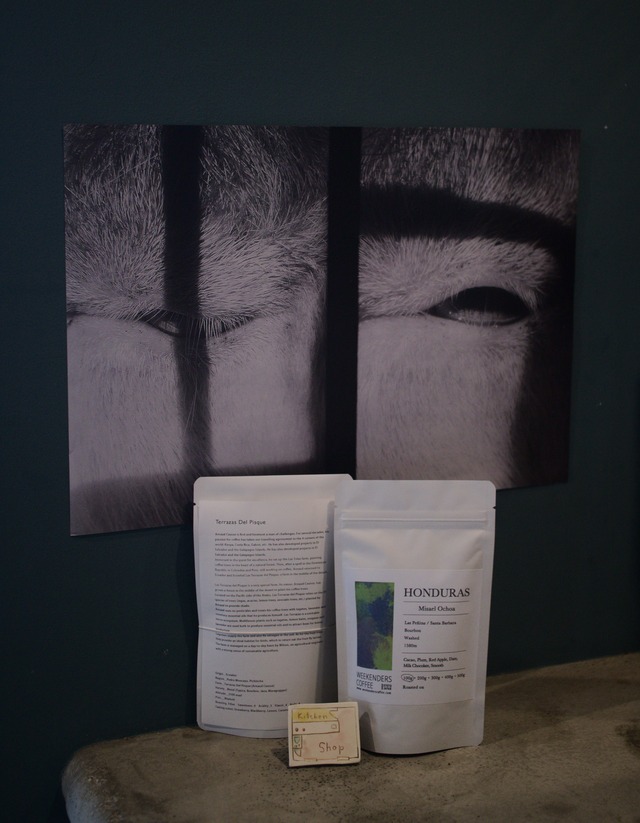
キョウエンカイ2026 vol.4 - WEEKENDERS COFFEE
JPY 5,800(USD 36.88)
ETHICUS euphrainoo にてアートスペース油亀と共に開催しているキョウエンカイより 〈全国からお招きしたロースター厳選のコーヒー豆・アートスペース油亀の豆皿・むらいふみのアートワーク〉 をセットにしました。 「signs of nature」をテーマに、皆様へここだけのボックスをお届けします。 第四週目はWEEKENDERS COFFEE(京都府)です。 ETHICUSのシグニチャーとして「ECUADOR Terrazas Del Pisque」が100g追加されます。 どうぞ合わせてお楽しみください。 ----- WEEKENDERS COFFEE この春、ホンジュラスのMisael Ochoaを訪ね、農園の豊かさに驚かされました。元からある条件を活かしよく手入れされた土壌あってこそ、このクオリティーが保たれるのだと思います。サンタバルバラでは今となっては希少なブルボン種のコーヒーは、とてもクリーンでプラムやリンゴの綺麗な酸味とデーツを思わせる甘さが印象的です。 HONDURAS Misael Ochoa Location : Las Peñitas / Santa Barbara Varietal : Bourbon Process : Washed Altitude : 1580m Flavor : Cacao, Plum, Red Apple, Date, Milk Chocolate, Smooth WEEKENDERS COFFEE https://www.weekenderscoffee.com/ ----- アートスペース油亀 田川亞希 田川亞希(たがわ・あき) 1978年、静岡県浜松市生まれ。2002年、武蔵野美術大学油学科卒業。2004年、イギリス・ロンドン「Mazehill Pottery」リサ・ハモンド氏に師事。2008年、CCAA 四谷にて親子の陶芸教室で活動。2011年、2013年、国際陶芸フェスティバルささま出展。2014年、陶イズム笠間出展。2014年、すみだ川アートプロジェクト出展。現在、東京都目黒区在住。 講談社モーニングの「へうげもの」の企画である「へうげ十作」として活動 ※豆皿はランダムでのお届けとなりますこと、ご了承ください。 アートスペース油亀 https://www.aburakame.com/?srsltid=AfmBOooDvZrctiG0BSb5T-JPa5OD1Ti6wYXLOlVpBeyJy5u_ptycvQYY 田川亞希 https://www.instagram.com/akkihome ----- むらいふみ 今まで記録してきた写真を複写し、一つの作品にしました ちょうどこの作品づくりと同じ時期に毎朝狩猟のために山へ入っていました 山に入ると、あらゆる生きものの気配を感じます 木々の隙間や地面の変化を目で確かめ 風にのって漂うにおいを感じ 動物の声、虫の動きや羽音、風で葉がゆれる音に耳を澄ませ 手をつないだ娘の手の感触や体温が 子鹿をさばいたときの、まだ生温かいからだと重なる 自然の中に身を置くと、自分もまた自然の一部なのだとわかります 人間は決してその頂点でも、支配する立場でもありません あらゆる生きものと対等な存在なのだと、この作品をつくりながら、あらためてわかったのです ※アートワークは毎週変わります。 むらいふみ https://www.instagram.com/fumi_murai/ ----- キョウエンカイ -signs of nature- 日程:2026年8月1日(土)~2026年9月13日(日) 時間:10:00~17:00(※休憩時間13:00~14:00) 場所:ETHICUS euphrainoo 静岡県静岡市葵区鷹匠2-20-10 詳しい情報はETHICUS instagram(@ethicus.jp)をご覧ください。 https://www.instagram.com/ethicus.jp
-

キョウエンカイ2026 vol.3 - Bespoke Coffee Roasters
JPY 5,800(USD 36.88)
SOLD OUT
ETHICUS euphrainoo にてアートスペース油亀と共に開催しているキョウエンカイより 〈全国からお招きしたロースター厳選のコーヒー豆・アートスペース油亀の豆皿・むらいふみのアートワーク〉 をセットにしました。 「signs of nature」をテーマに、皆様へここだけのボックスをお届けします。 第三週目はBespoke Coffee Roasters(埼玉県)です。 ethicusのシグニチャーとして「ECUADOR maputo」が100g追加されます。 どうぞ合わせてお楽しみください。 ----- Bespoke Coffee Special Blend “キョウエン” Ethiopia soil project Wene 74110 Natural Ethiopia Sky project ALO Eternity 74158 washed コーヒーについて コーヒーの祖であるEthiopiaから2つのロットをブレンドしました。 異なる品種、異なる精製で豆のキョウエンを。 そして、普段のBespokeでは珍しい、ETHICUSさんの焙煎をイメージした浅煎りで焙煎のキョウエンを。 味わいは、フライヤーの写真をイメージしました。 淡さと甘さのコントラストと、中心には力強さを感じられます。 Bespoke Coffee Roasters http://bespokecoffeeroasters.com/ ----- アートスペース油亀 田川亞希 田川亞希(たがわ・あき) 1978年、静岡県浜松市生まれ。2002年、武蔵野美術大学油学科卒業。2004年、イギリス・ロンドン「Mazehill Pottery」リサ・ハモンド氏に師事。2008年、CCAA 四谷にて親子の陶芸教室で活動。2011年、2013年、国際陶芸フェスティバルささま出展。2014年、陶イズム笠間出展。2014年、すみだ川アートプロジェクト出展。現在、東京都目黒区在住。 講談社モーニングの「へうげもの」の企画である「へうげ十作」として活動 ※豆皿はランダムでのお届けとなりますこと、ご了承ください。 アートスペース油亀 https://www.aburakame.com/?srsltid=AfmBOooDvZrctiG0BSb5T-JPa5OD1Ti6wYXLOlVpBeyJy5u_ptycvQYY 田川亞希 https://www.instagram.com/akkihome ----- むらいふみ 今まで記録してきた写真を複写し、一つの作品にしました ちょうどこの作品づくりと同じ時期に毎朝狩猟のために山へ入っていました 山に入ると、あらゆる生きものの気配を感じます 木々の隙間や地面の変化を目で確かめ 風にのって漂うにおいを感じ 動物の声、虫の動きや羽音、風で葉がゆれる音に耳を澄ませ 手をつないだ娘の手の感触や体温が 子鹿をさばいたときの、まだ生温かいからだと重なる 自然の中に身を置くと、自分もまた自然の一部なのだとわかります 人間は決してその頂点でも、支配する立場でもありません あらゆる生きものと対等な存在なのだと、この作品をつくりながら、あらためてわかったのです ※アートワークは毎週変わります。 むらいふみ https://www.instagram.com/fumi_murai/ ----- キョウエンカイ -signs of nature- 日程:2026年8月1日(土)~2026年9月13日(日) 時間:10:00~17:00(※休憩時間13:00~14:00) 場所:ETHICUS euphrainoo 静岡県静岡市葵区鷹匠2-20-10 詳しい情報はETHICUS instagram(@ethicus.jp)をご覧ください。 https://www.instagram.com/ethicus.jp
-

キョウエンカイ2026 vol.2 - COYOTE
JPY 5,800(USD 36.88)
SOLD OUT
ETHICUS euphrainoo にてアートスペース油亀と共に開催しているキョウエンカイより 〈全国からお招きしたロースター厳選のコーヒー豆・アートスペース油亀の豆皿・むらいふみのアートワーク〉 をセットにしました。 「signs of nature」をテーマに、皆様へここだけのボックスをお届けします。 第二週目はCOYOTE(京都府)です。 ETHICUSのシグニチャーとして「ECUADOR maputo」が100g追加されます。 どうぞ合わせてお楽しみください。 ----- COYOTE Miguel Vasquez Pacamara Washed Country : El Salvador Area : San Fernando, Chalatenango Producer : Miguel Vasquez Farm : Finca el trigalito Area : 1450-1600m Variety : Pacamara Process: Washed コーヒーについて チャラテナンゴエリアの中でも僻地とされるサンフェルナンドという地区周囲には集落も無い場所に彼の農園はあり、別世界に来たかのような静かで壮大な森の中でコーヒーを栽培しています。伝統的なウォッシュドプロセスにより脚色無く、土地と品種のポテンシャルが最大限引き出されたパカマラ種の真髄が見える卓越したコーヒーです。 フレーバーコメント フルーツトマトやカシスを思わせる凝縮した果実感やデコポンのような活き活きとした酸と甘みが印象的です。 キラキラと溢れる風味を心地良くまとめるりんごの蜜のような甘さと透き通った質感が最後の一滴までこのコーヒーの素晴らしさをハイライトしてくれます。 選定理由 パカマラの名産地として名高いエルサルバドル、チャラテナンゴ。エルサルバドルのコーヒーを専門に扱う、私たちとしてはこの品種をお伝えしないわけにはいきません。ミゲルさんのクラシックなウォッシュドプロセスでは、この品種が持つポテンシャルを最大限感じて頂けると思います。 COYOTE https://coyote-coffee.stores.jp/ ----- アートスペース油亀 田川亞希 田川亞希(たがわ・あき) 1978年、静岡県浜松市生まれ。2002年、武蔵野美術大学油学科卒業。2004年、イギリス・ロンドン「Mazehill Pottery」リサ・ハモンド氏に師事。2008年、CCAA 四谷にて親子の陶芸教室で活動。2011年、2013年、国際陶芸フェスティバルささま出展。2014年、陶イズム笠間出展。2014年、すみだ川アートプロジェクト出展。現在、東京都目黒区在住。 講談社モーニングの「へうげもの」の企画である「へうげ十作」として活動 ※豆皿はランダムでのお届けとなりますこと、ご了承ください。 アートスペース油亀 https://www.aburakame.com/?srsltid=AfmBOooDvZrctiG0BSb5T-JPa5OD1Ti6wYXLOlVpBeyJy5u_ptycvQYY 田川亞希 https://www.instagram.com/akkihome ----- むらいふみ 今まで記録してきた写真を複写し、一つの作品にしました ちょうどこの作品づくりと同じ時期に毎朝狩猟のために山へ入っていました 山に入ると、あらゆる生きものの気配を感じます 木々の隙間や地面の変化を目で確かめ 風にのって漂うにおいを感じ 動物の声、虫の動きや羽音、風で葉がゆれる音に耳を澄ませ 手をつないだ娘の手の感触や体温が 子鹿をさばいたときの、まだ生温かいからだと重なる 自然の中に身を置くと、自分もまた自然の一部なのだとわかります 人間は決してその頂点でも、支配する立場でもありません あらゆる生きものと対等な存在なのだと、この作品をつくりながら、あらためてわかったのです ※アートワークは毎週変わります。A3サイズ。 むらいふみ https://www.instagram.com/fumi_murai/ ----- キョウエンカイ -signs of nature- 日程:2026年8月1日(土)~2026年9月13日(日) 時間:10:00~17:00(※休憩時間13:00~14:00) 場所:ETHICUS euphrainoo 静岡県静岡市葵区鷹匠2-20-10 詳しい情報はETHICUS instagram(@ethicus.jp)をご覧ください。 https://www.instagram.com/ethicus.jp
-

キョウエンカイ2026 vol.1 - aoma coffee
JPY 5,800(USD 36.88)
SOLD OUT
ETHICUS euphrainoo にてアートスペース油亀と共に開催しているキョウエンカイより 〈全国からお招きしたロースター厳選のコーヒー豆・アートスペース油亀の豆皿・むらいふみのアートワーク〉 をセットにしました。 「signs of nature」をテーマに、皆様へここだけのボックスをお届けします。 第一週目はaoma coffee(大阪府)です。 ※7/29追加情報:ethicusのシグニチャーとして「ECUADOR maputo」が100g追加されます。 どうぞ合わせてお楽しみください。 ----- aoma coffee RAUL DURAN-Castillo ジューシーで地味深い晩柑や、ストーンフルーツの風味。 後味はキャラメルを舐めたような、しっかりとした甘さが続きます。 ガイタニアから南へ40分、標高1650メートルの緑豊かなエル・ホルダンの集落。この地でドニャ・ヒルマ・グティエレスとドン・ラウル・ドゥラン夫妻は、2つの農園フィンカ・ ラ・エスペランサとフィンカ・エル・ポルベニールでコーヒー栽培を営んでいます。 今回のロットは、ラウルさんの農園のカスティージョ種です。 フィンカ・ラ・エスペランサとフィンカ・エル・ポルベニールは、伝統的なウェットミル設備を使用しています。発酵槽は、マジョリカという素材のタイルが敷かれており、各バッチのユニークなテロワールを表現する素材として、コーヒーの品質を高めると信じられています。コーヒーの果肉を取り除いたあと、水を使わずに発酵させます。その後、農園内の小川から汲んだきれいな水で2回洗浄され乾燥工程に進みます。 家族で試行錯誤を重ねながら、堅実な味わいのコーヒーを毎年生産しているラウル・ドゥランさんのコーヒーをどうぞ。 Variety : Castillo Process : Washed Roast profile:Light roast Tasting notes_Kawachi Bankan, stone fruit, caramel aoma coffee https://aomacoffee.com/ ----- アートスペース油亀 田川亞希 田川亞希(たがわ・あき) 1978年、静岡県浜松市生まれ。2002年、武蔵野美術大学油学科卒業。2004年、イギリス・ロンドン「Mazehill Pottery」リサ・ハモンド氏に師事。2008年、CCAA 四谷にて親子の陶芸教室で活動。2011年、2013年、国際陶芸フェスティバルささま出展。2014年、陶イズム笠間出展。2014年、すみだ川アートプロジェクト出展。現在、東京都目黒区在住。 講談社モーニングの「へうげもの」の企画である「へうげ十作」として活動 ※豆皿はランダムでのお届けとなりますこと、ご了承ください。 アートスペース油亀 https://www.aburakame.com/?srsltid=AfmBOooDvZrctiG0BSb5T-JPa5OD1Ti6wYXLOlVpBeyJy5u_ptycvQYY 田川亞希 https://www.instagram.com/akkihome ----- むらいふみ 今まで記録してきた写真を複写し、一つの作品にしました ちょうどこの作品づくりと同じ時期に毎朝狩猟のために山へ入っていました 山に入ると、あらゆる生きものの気配を感じます 木々の隙間や地面の変化を目で確かめ 風にのって漂うにおいを感じ 動物の声、虫の動きや羽音、風で葉がゆれる音に耳を澄ませ 手をつないだ娘の手の感触や体温が 子鹿をさばいたときの、まだ生温かいからだと重なる 自然の中に身を置くと、自分もまた自然の一部なのだとわかります 人間は決してその頂点でも、支配する立場でもありません あらゆる生きものと対等な存在なのだと、この作品をつくりながら、あらためてわかったのです ※アートワークは毎週変わります。A3サイズ。 むらいふみ https://www.instagram.com/fumi_murai/ ----- キョウエンカイ -signs of nature- 日程:2026年8月1日(土)~2026年9月13日(日) 時間:10:00~17:00(※休憩時間13:00~14:00) 場所:ETHICUS euphrainoo 静岡県静岡市葵区鷹匠2-20-10 詳しい情報はETHICUS instagram(@ethicus.jp)をご覧ください。 https://www.instagram.com/ethicus.jp
-
Catuai Amarillo Cooperative
JPY 1,760(USD 11.19)
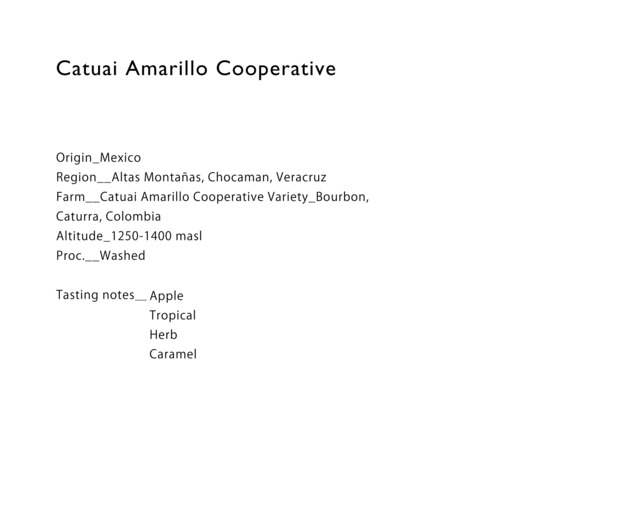
1990年、32名の生産者が集まり、「カトゥアイ・アマリージョ(Catuai Amarillo)」が設立されました。その名は、鮮やかな黄色い実をつけるコーヒー品種「カトゥアイ」に由来しています。 現在、このグループは16名の農家で構成され、ベラクルス州の標高1,250~1,400メートルに位置する、霧に包まれた高地で約60ヘクタールに渡る農園でコーヒーを栽培しています。過去30年間で、コーヒーチェリーを仲買人に販売する立場から、米国や欧州市場への輸出向けにオーガニックかつフェアトレード認証を受けたパーチメントコーヒーを生産する、高度な組織へと進化を遂げました。 彼らは、多様な樹木の下でコーヒーを育てる「シェードグロウン(木陰栽培)」の手法を取り入れ、地域の生物多様性を守りながら、年間約18トンのコーヒーを収穫しています。 年間120トン以上の天然肥料を生産するミミズ堆肥(バーミコンポスト)プロジェクト、45種類以上のコーヒー品種を扱う苗床および品種コレクション、さらには鳥の生息地と水産養殖の実験場を兼ねた保全用ラグーンの運営など、その活動はコーヒーの生産にとどまることを知りません。さらに彼らは、青少年向けプログラムを通じて、500人以上の子供たちにコーヒー学習の機会を提供しています。 原産地_メキシコ 地域_ベラクルス州チョカマン、アルタス・モンタニャス 農園_カトゥアイ・アマリージョ・コープ(Catuai Amarillo Cooperative) 品種_ブルボン、カトゥーラ、コロンビア 標高_1,250~1,400m 精製方法_ウォッシュド テイスティングノート_リンゴ、トロピカルフルーツ、ハーブ、キャラメル 内容量_100g In 1990, a small group of 32 producers came together to establish what is now known as "Catuai Amarillo"—a name inspired by the vibrant yellow Catuai coffee variety. Today, the collective has evolved into a dedicated group of 16 farmers, cultivating approximately 60 hectares of coffee across the mist-covered highlands of Veracruz, at elevations between 1,250 and 1,400 meters. Over the past three decades, the cooperative has transformed from simply selling coffee cherries to middlemen into a sophisticated organization that produces organic, Fair Trade-certified parchment coffee for export to markets in the U.S. and Europe. They harvest roughly 18 tons of organic-certified parchment coffee annually, utilizing shade-grown techniques under a diverse canopy of trees to actively protect local biodiversity. Beyond coffee, the group is a hub of innovation and sustainability. Their diverse initiatives include a vermicompost project producing over 120 tons of natural fertilizer each year, a nursery and variety collection featuring more than 45 coffee cultivars, and a conservation lagoon that serves as both a bird habitat and an aquaculture experimental site. Furthermore, they are pioneers in coffee education, having provided learning opportunities to over 500 children through their specialized youth programs. Origin_Mexico Region__Altas Montañas, Chocaman, Veracruz Farm__Catuai Amarillo Cooperative Variety_Bourbon, Caturra, Colombia Altitude_1250-1400 masl Proc.__Washed Tasting notes: Apple, Tropical, Herb, Caramel Net weight_100g
-

Thunguri AA
JPY 1,760(USD 11.19)
ケニア産のコーヒーを最後に焙煎してから、およそ2年が経ちました。 ケニア産コーヒーは、焙煎時の熱の加え方によって風味が大きく変わるため、その特性を活かすような面白い個性を持つ豆になかなか出会えずにいました。 しかし、この豆は久しぶりに「これだ!」と思わせてくれたケニア産コーヒーです。 「トゥングリ」とは、キクユ語で「丘」を意味します。この素晴らしいコーヒーを生産しているのは、ニエリ郡にある「ムクルウェ・イニ渓谷IBA※」の丘陵地帯中心部に暮らす1,057軒の小規模農家、コーヒー栽培面積は約634.2ヘクタールです。 トゥングリは1961年、ケニアが植民地支配から自治へと移行していた時期に、コーヒー栽培を通じて生活を向上させようと志した人々によって設立されました。それ以来、彼らは環境への配慮を忘れることなく、肥沃な土壌から高品質なコーヒーを生み出し続けています。 ※IBA:アバーディア山脈(IBA KE 001)の南東斜面下部からケニア山森林地帯(IBA KE 002)の南西部に広がる重要野鳥生息地。 原産地_ケニア 地域_ニエリ、カラティナ 農園_キビリグウィ・ファーマーズ(Kibirigwi Farmers) 品種_SL28、SL34、Ruiru11、Batian 標高_1,580m 精製_ウォッシュド テイスティングノート_ネクタリン、ストロベリー、レモンカード、オレンジ 内容量_100g It's been about two years since | last roasted a Kenyan coffee. I believe that the flavor changes significantly depending on how the energy is applied, so I hadn't come across a Kenyan origin with the kind of interesting qualities that would justify that approach. This is the first Kenyan in a long time that made me think, "This is it!" Thunguri means "a hill" in Kikuyu language. Thunguri Coffee, home of the Specialty coffee,is produced by 1,057 small-scale coffee farmers (with approximately 634.2 ha of land under coffee culivation), living in the heart of the hilly parts of Mukurwe-ini Valleys IBA (Important Bird Area, which extends on the lower south-east slopes of the Aberdare Mountains (IBA KE 001) and to the far south west of Mount Kenya forest (IBA KE 002) in Nyeri County. Thunguri was built by the original members on a voluntary basis to improve their livelihoods through coffee farming back in 1961. This was at a time when Kenya was transitioning from colonialism to self-rule. Since then, our fertile soils have produced high quality coffee through the use of holistic production methods that take our customers'concerns for a healthy environment seriously. Origin_Kenya Region_Karatina, Nyeri Farm_Kibirigwi Farmers Variety_SL28,SL34, Ruiru11, Batian Altitude_1580 masl Proc._ Washed Roasting_Filter Sweetness_4 Acidity_3 Flavor_4 Body_4 Tasting notes_Nrctarine, Strawberry, Lemoncurd, Bright Orange Net weight_100g
-

Don Sabino
JPY 2,160(USD 13.74)
現在、この農園とマイクロミルは生産者スティーブン・バルガス氏によって運営されています。彼は家族の事業の軸足をスペシャルティコーヒーへと移し、新たな土地の開拓や品種の導入、そして現代的な精製手法の採用を通じて事業を拡大してきました。現在、農園はセントラル・バレーおよびウェスト・バレー地域にまたがる計93ヘクタールの広さを誇り、近隣のポアス火山の恩恵を受けた肥沃な火山性土壌、標高1,350〜1,820メートルの環境でコーヒーを栽培しています。 カトゥアイ、カトゥーラ、ビジャ・サルチ、ゲイシャ、SL28といった品種から、セントロアメリカーノ、カティグア、H1、モカ、パカマラ、ティピカ、オバタに至るまで、極めて多岐にわたる品種を栽培しているのが特徴です。これらは、晴れた朝と、霧に包まれる涼しい午後という微気候(マイクロクライメート)に支えられています。スティーブン氏の農園はなだらかな地形をしており、品種ごとに丁寧に区画を分けて管理することが可能です。「ドン・サビノ・マイクロミル」での精製工程は、資源の効率的な利用と徹底した品質管理を重視して設計されています。 コーヒーチェリーは選別して収穫され、高床式の乾燥棚(アフリカンベッド)でナチュラルまたはハニープロセスにて乾燥されます。その後、パーチメントの状態で休ませてから、密度、スクリーンサイズ(粒の大きさ)、色によって選別が行われます。 衛生基準の遵守や未熟なチェリーの除去により、農園から最終的なロットに至るまで一貫した品質が保たれています。また、サステナビリティ(持続可能性)はドン・サビノの取り組みの核心をなすものです。 同農園は、環境再生型農業(リジェネラティブ・アグリカルチャー)、混作、森林に配慮した農法を実践しています。コスタリカの「ブルーフラッグ」認証を取得しているほか、RegenAgri(リジェンアグリ)のカーボンフリー基準の達成に向けた取り組みも進めています。さらに、環境教育や教会・学校への支援、定期的な清掃活動などを通じて、地域社会への貢献も行っています。伝統、革新、そして環境への配慮を融合させることで、ドン・サビノは、クリーンさ、複雑な風味、そして産地の個性を強く感じさせるコーヒーを生み出しています。 産地_コスタリカ 地域_セントラル・バレー、アラフエラ県サバニージャ 農園_エル・リャマロン(ドン・サビノ) 品種_ティピカ 標高_1,300〜1,600m 精製_ナチュラル テイスティングノート_リンゴ、チェリー、レーズン、完熟ブドウ 内容量_100g Today the farm and micromill are guided by producer Steven Vargas, who helped shift the family's focus toward specialty coffee and expanded the operation with new land, new varietals, and a modern processing approach. The estate now covers 93 ha across the Central and West Valley regions, growing coffee 1350-1820m in fertile volcanic soils influenced by the nearby Poás Volcano. The farm maintains an unusually broad collection of varieties ranging from Catuai, Caturra, Villa Sarchi, Geisha, and SL28 to Centroamericano, Catigua, H1, Mokka, Pacamara, Typica, and Obata. Supported by a microclimate of bright mornings and cool, mist-covered afternoons. Steven' s farms feature gentle terrain that allows careful separation and management of each cultivar. At the Don Sabino Micromill, processing is designed around resource efficiency and quality control. Coffees are harvested selectively, dried naturally or as honeys on raised beds, rested in parchment, and then sorted by density, screen size, and colour. Hygiene standards and the removal of underripe cherries safeguard consistency from the field to the final lot. Sustainability plays a central role in Don Sabino' s approach. The farm practices regenerative agriculture, intercropping, and forest-friendly farming, and holds Costa Rica' s Blue Flag certification while working toward RegenAgri' s carbon free standard. The family also invests in its local community through environmental education, support for churches and schools, and regular clean up efforts. Through a blend of heritage, innovation, and environmental care, Don Sabino produces coffees known for clarity, complexity, and a strong sense of place. Origin_Costa Rica Region_Sabanilla de Alajeula, Central Valley Farm_El Llamarón (Don Sabino) Variety_Typica Altitude_1300-1600 masl Proc._Natural Roasting_Filter Sweetness_4 Acidity_3 Flavor_4 Body_4 Tasting notes_Apple, Cherry, Raisin, Ripe grape Net weight_100g
-

Los Cedros
JPY 1,500(USD 9.54)
オトニエルにとって、コーヒーは物心ついた頃から人生の重要な一部でした。 彼の父親はかつてコーヒー生産者でした。オトニエルは成長するにつれ、父親からコーヒー生産のすべてを学びました。彼は農園での日々の作業を手伝い、特にコーヒーの果肉除去や水洗いの工程に携わることをいつも楽しんでいました。15歳の時、オトニエルは父親から譲り受けた農園の一角で、試験的に自身の小さなコーヒー農園を始めました。年月をかけて父親から教わったことを実践しながら徐々に自立していき、やがて農園の運営すべてを引き継ぐようになりました。 今日、彼が「フィンカ・ロス・ロブレス(Finca Los Robles)」を誇りに思っているのは、それが長年にわたる自身の努力と献身の結晶だからです。農園の作業の多くはオトニエル自身が担っていますが、今では息子が手伝ってくれる姿に、かつての自分自身の物語が繰り返されているのを感じています。そして、いつか息子も一人前のコーヒー生産者になってくれることを願っています。そのため、息子は休みの日に農園で父親の手伝いをしています。2015年、より良い価格と収入を求めて、オトニエルは自身のコーヒーをスペシャルティコーヒー市場で販売することに挑戦しました。子供たちに十分な教育を受けさせ、家族の生活の質を向上させたいと常に願っていた彼は、並外れた高品質なコーヒーを生産するために全力を尽くす道を選んだのです。 産地_ホンジュラス 地域_サンタ・バルバラ、ロス・アンデス 農園_オトニエル・サガストゥメ(ロス・セドロス) 品種_SL-28 標高_1500m 精製_ウォッシュド テイスティングノート_プラム、ブラックベリー、ブドウ、紅茶 内容量_100g Coffee has been a key part of Otoniel' s life for as far back as he can remember. His father used to be a coffee producer. As Otoniel grew older, his father taught him all about coffee production. He used to help his father with his daily tasks on the farm and always enjoyed helping him to de-pulp and wash the coffee. When Otoniel was 15 years old, he started his own small coffee farm, a piece of his father's farm that he gave him to experiment on. Over the years, Otoniel slowly became more independent, putting into practice everything that his father taught him, and he soon took over everything. Today, he is very proud of Finca Los Robles because it is the result of his efforts, hard work, and dedication over many years. A large portion of the work on the farm is carried out by Otoniel and he is watching his story repeating, seeing his son help him on the farm, to hopefully see him become a coffee grower on his own. For this reason, when his son is on holiday, he helps his father out on the farm. In the year 2015, in the search for better prices and higher incomes, Otoniel decided to try and sell his coffee on the specialty coffee market. He always dreamed of seeing his children study, to offer them a good education and to improve the quality of his family's life, so he decided the better option would be to go the extra mile to produce amazing high-quality coffees. Origin_ Honduras Region_ Los Andes, Santa Barbara Farm_Otoniel Sagastume (Los Cedros) Variety_SL-28 Altitude_1500 mass Proc. Washed Roasting_Filter Sweetness_4 Acidity_3 Flavor_4 Body_4 Tasting notes: Plum, Blackberry, Grape, Black Tea Net weight_100g
-

Maputo 2 Pink Bourbon
JPY 2,981(USD 18.96)
SOLD OUT
ヘンリー・ガイボル氏とヴェレナ・ガイボル氏夫妻が所有・運営している農園です。 二人は自身の農園”ハクナ・マタタ”、”フィンカ・マプト”そして、ヘンリー氏の兄弟であるホセ・ガイボル氏が運営する”ランチョ・ティオ・エミリオ”の管理に加え、自らの手で精製所の運営も行っています。 かつて医療に従事していた二人は、1996年、ブルンジのブジュンブラで「国境なき医師団」のボランティア活動中に出会いました。 1998年、二人はヘンリー氏の母国であるエクアドルに戻り、キトで13年間にわたり診療所を経営した後、心惹かれていたコーヒーに人生を捧げることを決意しました。 几帳面で献身的なヘンリー氏と、辛抱強くテキパキとしたヴェレナ氏は、医療現場で得た経験を活かしながら農園の運営に勤しんでいます。 ガイボル夫妻は複数の品種を栽培しており、畑ではティピカ、ブルボン、SL-28、シドラ、カファ、カトゥーラといった品種が明確に区分けされています。今回ご紹介するロットは、エクアドルで開発された数種類のコーヒー品種のハイブリッド(交配種)です。2007年にエチオピアの在来種(エアルーム)とティピカ派生種を掛け合わせて作られ、味わいの品質の高さに加え、病害への耐性が強化されています。 ヘンリーとヴェレナがコーヒーを生産しているのは、コロンビア国境に近いピチンチャ県ナナガル地区の「ラ・ペルラ(La Perla)」です。エクアドルとしては比較的標高が低い(海抜1,350メートル)ものの、農園が位置する地域は独特の微気候(マイクロクライメート)に恵まれています。湿度が高く、午後になるとコーヒー畑が霧に包まれるという特徴な環境です。 原産地_エクアドル 地域_ピチンチャ県ナナガル、ラ・ペルラ 農園_マプト2(ヘンリー&ヴェレナ・ガイボル) 品種_ピンクブルボン 標高_1,350m 精製:ウォッシュド テイスティングノート_ドライベリー、黄桃、アールグレイ、キャンディ 内容量_100g The farm is owned and operated by Henry and Verena Gaibor who also oversee the daily operations of Rancho Tio Emilio, as well as their own mill and farm at Finca Maputo. The couple has a very interesting, somewhat dramatic backstory, also having to do with medicine. They met in Bujumbura, Burundi, in 1996 when they were both volunteering for Doctors Without Borders: Henry is a veteran war-trauma surgeon from Ecuador, and Verena is a war nurse from Switzerland. They met in the field during a Humanitarian crisis in Burundi. In 1998, the two of them returned to Henry's home country of Ecuador, where they managed a clinic in Quito for 13 years before deciding to devote their time, energy, and resources to another passion —coffee. Henry Is extremely methodical and just as dedicated to his coffee production as he used to be about his medical profession, and Verena's management skills clearly show her training and efficiency as a nurse under extreme pressure. Together, they are doing everything right when it comes to picking, processing, and drying Coffees. The Gaibors grow several different varieties, which are clearly divided and marked on their properties: Typica, Bourbon, SL-28, Sidra, Kaffa, and Caturra. This lot is a hybrid of several varieties of coffee developed in Ecuador, specifically a cross-breed created in 2007 combining Ethiopian heirloom types with a Typica derivative. This hybrid variety has proven to provide good quality in the cUp as well as fortifying the plants with an increased tolerance to disease. Henry and Verena produce their coffee in La Perla, Nanegal, which is in the province of Pichincha, relatively close to the border of Colombia. Despite its relatively low altitude for Ecuador (1,350 meters above sea level), the area where the farm is located has a very specific microclimate with high humidity and mist covering over the coffee fields in the afternoons. Origin_Ecuador Region_ La Perla, Nanegal, Pichincha Farm_Maputo2 (Henry and Verena Gaibor) Variety_Pink Bourbon Altitude_1350 masl Proc._Washed Roasting_Filter low Sweetness_4 Acidity _3 Flavor_4 Body_3 Tasting notes: Dried berry, Yellow Peach, Earl Grey, Candy Net weight_100g
-

Hakuna Matata SL-28
JPY 2,862(USD 18.20)
“ハクナ・マタタ”は、ヘンリー・ガイボル氏とヴェレナ・ガイボル氏夫妻が所有・運営している農園です。 二人は自身の農園”ハクナ・マタタ”、”フィンカ・マプト”そして、ヘンリー氏の兄弟であるホセ・ガイボル氏が運営する”ランチョ・ティオ・エミリオ”の管理に加え、自らの手で精製所の運営も行っています。 かつて医療に従事していた二人は、1996年、ブルンジのブジュンブラで「国境なき医師団」のボランティア活動中に出会いました。 1998年、二人はヘンリー氏の母国であるエクアドルに戻り、キトで13年間にわたり診療所を経営した後、心惹かれていたコーヒーに人生を捧げることを決意しました。 几帳面で献身的なヘンリー氏と、辛抱強くテキパキとしたヴェレナ氏は、医療現場で得た経験を活かしながら農園の運営に勤しんでいます。 ガイボル夫妻は複数の品種を栽培しており、畑ではティピカ、ブルボン、SL-28、シドラ、カファ、カトゥーラといった品種が明確に区分けされています。 SL-28は、エクアドルで開発された数種類のコーヒー品種を交配させた品種であり、具体的には、2007年にエチオピアの在来種とティピカの派生種を組み合わせた交配種です。 このハイブリッド品種は、優れた味や香りに加え、病害に対する高い耐性が実証されています。 ヘンリー氏とヴェレナ氏は、コロンビア国境に近くのピチンチャ、ナネガル、ラ・ペルラという地でコーヒーを生産しています。エクアドルとしては比較的標高が低い、標高1,350メートルの地域ですが、農場のあるエリアは湿度が高く、午後にはコーヒー畑一面に霧が広がり、夕方はさらに冷え込む、非常に独特な微気候です。 こうした独特な気候条件の組み合わせが、ハクナ・マタタのコーヒーを、より特別なものにしています。 原産地_エクアドル 産地_ラ・ペルラ、ナネガル、ピチンチャ 農園_マプト、ハクナ・マタタ(ヘンリー&ヴェレナ・ガイボル) 品種_SL-28 標高_1350m 加工法_ウォッシュド 焙煎_フィルター用(浅煎り) 甘味_5 酸味_4 風味_4 ボディ_3 テイスティングノート_プラリネ、ハチミツ、チェリージャム、ブラッドオレンジ、ワインのようなチョコレート 内容量_100g The farm is owned and operated by Henry and Verena Gaibor who also oversee the daily operations of Rancho Tio Emilio, as well as their own mill and farm at Finca Maputo. The couple has a very interesting, somewhat dramatic backstory, also having to do with medicine. They met in Bujumbura, Burundi, in 1996 when they were both volunteering for Doctors Without Borders: Henry is a veteran war-trauma surgeon from Ecuador, and Verena is a war nurse from Switzerland. They met in the field during a Humanitarian crisis in Burundi. In 1998, the two of them returned to Henry's home country of Ecuador, where they managed a clinic in Quito for 13 years before deciding to devote their time, energy, and resources to another passion-coffee. Henry Is extremely methodical and just as dedicated to his coffee production as he used to be about his medical profession, and Verena's management skills clearly show her training and efficiency as a nurse under extreme pressure. Together, they are doing everything right when it comes to picking, processing, and drying Coffees. The Gaibors grow several different varieties, which are clearly divided and marked on their properties: Typica, Bourbon, SL-28, Sidra, Kaffa, and Caturra. This lot is a hybrid of several varieties of coffee developed in Ecuador, specifically a cross-breed created in 2007 combining Ethiopian heirloom types with a Typica derivative. This hybrid variety has proven to provide good quality in the cUp as well as fortifying the plants with an increased tolerance to disease. Henry and Verena produce their coffee in La Perla, Nanegal, which is in the province of Pichincha, relatively close to the border of Colombia. Despite its relatively low altitude for Ecuador (1,350 meters above sea level), the area where the farm is located has a very specific microclimate with high humidity and mist covering over the coffee fields in the afternoons. Evenings become much cooler as well, and this unique combination of characteristics give the coffees from Finca Hakuna Matata a very special quality. Origin_Ecuador Region_La Perla, Nanegal, Pichincha Farm_Maputo, Hakuna Matata (Henry and Verena Gaibor) Variety_SL-28 Altitude_1350 masl Proc._ Washed Roasting_Filter low Sweetness_5 Acidity_4 Flavor_4 Body_3 Tasting notes_Praline, honey, Cherry Jam. Blood Orange, Winey Chocolate Net weight_100g
-

Terrazas Del Pisque Blend
JPY 2,527(USD 16.07)
アルノー・コース(Arnaud Causse)氏には「挑戦する人」という言葉が似合います。数十年にわたりコーヒーへの情熱を胸に、ケニア、コスタリカ、ガボンなど世界各地を巡ってきました。エルサルバドルやガラパゴス諸島でもプロジェクトを展開しています。 最高品質を追求する彼は、「ラス・トラス(Las Tolas)」農園を設立し、自然の森のただ中にコーヒーの木を植えました。その後、ドミニカ共和国、コロンビア、ペルーでコーヒー事業に従事したのち、エクアドルに戻りました。その際砂漠の真ん中に立ち上げられたのが、「ラス・テラサス・デル・ピスケ(Las Terrazas del Pisque)」です。 アンデス山脈の太平洋側に位置するこの農園は、アルノー氏が植えた25種類の樹木(インガ、アカシア、レモン、アボカドなど)が作り出す木陰のもとでコーヒーを育てます。農薬を一切使用せず、自ら抽出したマリーゴールド(タゲテス)、ラベンダー、ローズマリーのエッセンシャルオイルを使ってコーヒーの木をケアしています。ラス・テラサスは、まさに一つの小さな生態系(マイクロ・エコシステム)と言えるでしょう。マリーゴールド、レモンバーム、オレガノ、ラベンダーといった蜜源植物が、エッセンシャルオイルの原料としてだけでなく、蜂蜜生産のためにミツバチを呼び寄せる役割も果たしています。 マメ科植物は農園に恵みをもたらすと同時に、土壌の窒素固定も行います。果樹は鳥たちに理想的な生息環境を提供し、その鳥たちがミバエの幼虫を食べてくれるという命の循環が生まれています。 農園の日々の管理は、持続可能な農業への強い志を持つ農業技師のウィルソン氏が担っています。 原産地_エクアドル 地域_ピチンチャ県ペドロ・モンカヨ 農園_テラサス・デル・ピスケ [アルノー・コース] 品種_ブレンド [ティピカ、ブルボン、ジャバ、マラゴジッペ] 標高_2100m 精製_ウォッシュド テイスティングノート:ストロベリー、ブラックベリー、レモン、キャラメル、ポメロ(文旦) 内容量_100g Arnaud Causse is first and foremost a man of challenges. For several decades, his passion for coffee has taken our travelling agronomist to the 4 corners of the world: Kenya, Costa Rica, Gabon, etc. He has also developed projects in El Salvador and the Galapagos Islands. He has also developed projects in El Salvador and the Galapagos Islands. Immersed in the quest for excellence, he set up the Las Tolas farm, planting coffee trees in the heart of a natural forest. Then, after a spell in the Dominican Republic in Colombia and Peru, still working on coffee, Arnaud returned to Ecuador and founded Las Terrazas del Pisque, a farm in the middle of the desert. Las Terrazas del Pisque is a very special farm. Its owner, Arnaud Causse, has grown a forest in the middle of the desert to plant his coffee trees.Located on the Pacific side of the Andes, Las Terrazas del Pisque relies on the 25 species of trees (ingas, acacias, lemon trees, avocado trees, etc.) planted by Arnaud to provide shade. Arnaud uses no pesticides and treats his coffee trees with tagetes, lavender and rosemary essential oils that he produces himself. Las Terrazas is a veritable micro-ecosystem. Melliferous plants such as tagetes, lemon balm, oregano and lavender are used both to produce essential oils and to attract bees for honey production. Legumes supply the farm and also fix nitrogen in the soil. As for the fruit trees, they provide an ideal habitat for birds, which in return eat the fruit fly larvae. The farm is managed on a day-to-day basis by Wilson, an agricultural engineer with a strong sense of sustainable agriculture. Origin_Ecuador Region_Pedro Moncayo, Pichincha Farm_Terrazas Del Pisque [Arnaud Causse] Variety_Blend [Typica, Bourbon, Java, Maragogype] Altitude__2100 masl Proc._ Washed Roasting_Filter Sweetness_4 Acidity_3 Flavor_4 Body_4 Tasting notes: Strawberry, Blackberry, Lemon, Caramel, Pomelo Net weight_100g
-

Las Flores
JPY 3,521(USD 22.39)
ウィラ(Huila)地域の14ヘクタールに及ぶラス・フローレス農園は、1990年にベルガラ家の女性当主が18,000本の木を植えて以来、現在では90,000本を擁する規模へと成長しました。 2006年、ラス・フローレス農園は「カップ・オブ・エクセレンス(CoE)」に参加し、これを機にスペシャルティコーヒーや差別化されたコーヒーの世界へと歩み始めました。現在、エディルベルト・ベルガラ氏と息子のジョアン氏は、カップ品質の向上を目指し、精製プロセスの改良に情熱を注いでいます。品質の安定性を確保するため、ラス・フローレス農園のコーヒーはすべて手摘みで収穫され、自然乾燥(ナチュラル・ドライ)が行われます。また、酸化工程を経てから嫌気性発酵(アナエロビック・プロセス)を行う手法や、袋詰めでの発酵など、多様な発酵技術を駆使し、ユニークな風味特性を生み出しています。 ウィラのアセベド地区は、「ピンク・ブルボン」の産地として有名です。農園の2代目である若きジョアン氏は、主にピンク・ブルボンを中心に、新しい品種の導入や精製方法の改良といった実験的な取り組みを行っています。父の代にはカスティージョ種やコロンビア種が中心でしたが、ジョアン氏がピンク・ブルボンの栽培を始めて以来、ゲイシャ種、チロソ種、タビ種といった新品種へと栽培エリアを拡大してきました。彼は地元のコーヒー研究所と協力し、チェリー由来の酵母を用いた発酵の研究や試験的な生産を積極的に行っています。その成果が着実に積み重なるにつれ、彼のコーヒーは世界へと広がりを見せており、海外のトップバリスタからも多くの問い合わせが寄せられています。 収穫・選別 酸化(チェリーを屋外に放置し、酸素にさらす工程) ウェット・ファーメンテーション(水に浸した状態でチェリーを発酵させる工程) ウォッシュド・タルタリック(果肉を除去した後、再び水に浸し、果肉成分(マスト)と共に発酵させる工程) サーマル・ショック(約50℃の温水をタンクに注ぎ、豆を浸す工程) 乾燥工程 原産地_コロンビア 地域_ウィラ県アセベド 農園_ラス・フローレス(ジョアン・ベルガラ) 品種_タビ 標高_1750-1900m 精製_ウォッシュド テイスティングノート_ラズベリー、ローズ、パイナップルキャンディ、レモンティー 内容量_100g Spanning 14 hectares in the Huila region, the Las Flores farm has grown from the 18,000 trees planted in 1990 by the Vergara family matriarch to 90,000 today. In 2006 Las Flores participated in the Cup of Excellence, marking the beginning of a journey into the world of specialty and differentiated coffees. Today, Edilberto Vergara and his son Johan are devoted to refining their processes to focus on quality of cup. All the coffee at Las Flores is handpicked and naturally dried to ensure consistency in quality. Different fermentation techniques such as oxidation followed by anaerobic process and fermentation in bags is used to create unique flavour profiles. The Acevedo district of Wira is famous for its Pink Bourbon production. Young Jhoan, the second generation plantation owner, has been experimenting with new varieties and refining methods, mainly of Pink Bourbon. His father's farm was mainly Castillo and Colombian, but since Jhoan started planting Pink Bourbon on part of the farm, he has expanded the area with new varieties such as Geisha, Chiloso, Tabi. He has been actively studying fermentation with cherry yeast and conducting trial production in cooperation with a local coffee research institute, and with the results steadily accumulating, his coffee is steadily spreading to the world, with many inquiries from top baristas overseas. Harvesting and Sorting Oxidation (The cherries are left to rest outdoors to expose them to oxygen.) Wet Fermentation: The cherries are fermented while submerged in water Washed Tartaric (The pulp is removed from the cherries, which are then submerged in water again-still with the must—to ferment) Thermal shock (Warm water at approximately 50 degrees is poured into the fermentation tank, and the beans are immersed in it.) Drying process Origin_Colombia Region_Acevedo, Huila Farm_Las Flores (Jhoan Vergara) Variety_Tabi Altitude_1750-1900 masl Proc._ Washed Roasting_Filter Sweetness_5 Acidity_4 Flavor_5 Body_4 Tasting notes_Raspberry, Rose, Pineapple Candy, Lemon Tea Net weight_100g